
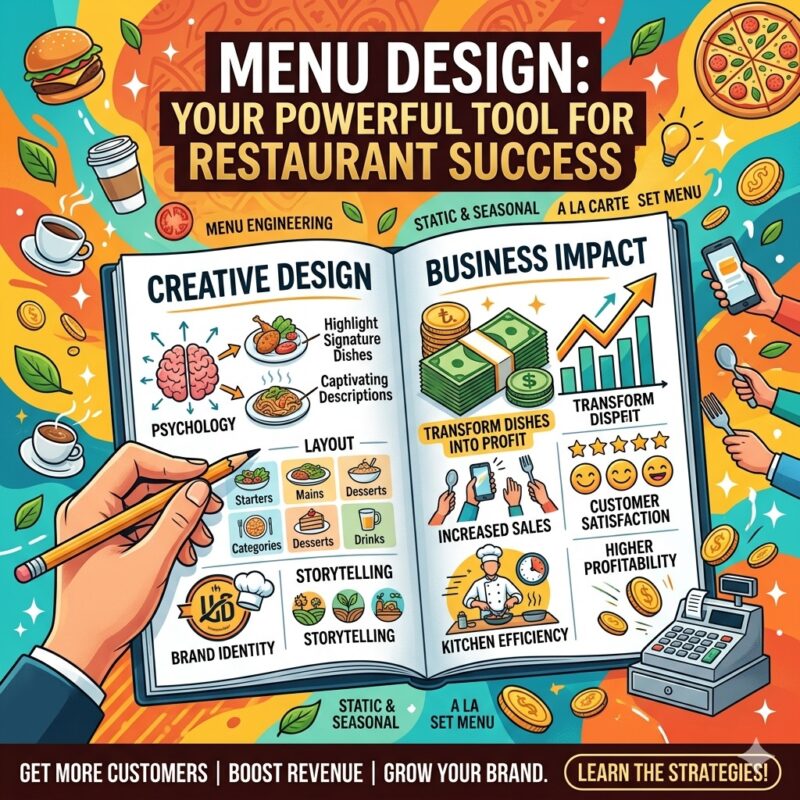
A food menu design is one of the most powerful tools in the restaurant and hospitality industry. While many restaurant owners focus on food quality, interior decor, or marketing campaigns, they often overlook the strategic importance of a well-designed menu. In reality, food menu design is the heart of any food business. It shapes customer decisions, drives operational efficiency, strengthens brand identity, and directly affects profitability.
A well-crafted food menu design can increase sales, improve customer satisfaction, and create a memorable dining experience. Conversely, a poorly designed menu can confuse customers, increase food costs, and reduce overall revenue.
In this comprehensive guide, we will explore everything about food menu design: what it is, why it matters, types of menus, best practices, common mistakes, digital menu strategies, and expert tips to help your restaurant succeed. This guide is written in simple, actionable language for restaurant owners, cafe operators, food entrepreneurs, and hospitality students.
What is Food Menu Design?
At its core, food menu design is the art and science of presenting your restaurant’s food and beverage offerings in a way that appeals to customers while maximizing business performance. A menu is more than a list of dishes; it is a communication tool that reflects your restaurant’s identity and concept.
A food menu design typically includes:
- The name of the dish
- A short description of the ingredients or preparation style
- The price of each item
Advanced menus may also include:
- High-quality images
- Dietary information (vegan, gluten-free, etc.)
- Chef recommendations or signature items
For example, a luxury fine dining restaurant menu looks very different from a street food menu or a casual cafe menu. The layout, typography, pricing, and categories in a food menu design reflect the restaurant’s concept and target customers.
Why Food Menu Design is Crucial for Your Restaurant
Many people assume menus are just for listing food options. In reality, strategic food menu design plays a vital role in your restaurant’s success. Here’s how:
- Guides Customer Decisions
Customers spend several minutes reviewing a menu before ordering. During this time, a well-structured food menu design can influence their choices. Highlighting popular or high-profit items in strategic areas, using attractive names, and clear descriptions all increase the likelihood of upselling.
Example: Placing a signature dish in the top-right corner of a menu draws attention and can increase orders by up to 20%.
- Controls Profitability
Every dish on your menu has a food cost, preparation time, and selling price. Strategic food menu design balances cost and price to maintain healthy profit margins. Restaurants often remove expensive, low-selling dishes and promote high-margin items to maximize revenue.
- Builds Brand Identity
Your food menu design communicates your restaurant’s personality. For example:
- Coffee shops focus on beverages, pastries, and light snacks.
- Family restaurants feature comfort food and generous portions.
- Fine dining restaurants highlight premium ingredients and unique presentations.
Menu design, language, and layout all contribute to building a recognizable brand.
- Improves Kitchen Efficiency
A focused food menu design ensures chefs can prepare dishes quickly and consistently. Limiting overly complicated dishes prevents bottlenecks and maintains high service standards.
- Supports Marketing Strategy
Menus act as marketing tools. Signature dishes, chef specials, and seasonal items generate excitement and can attract new customers. Some restaurants even become famous for one or two dishes featured prominently in their food menu design.
Types of Food Menu Designs
Choosing the right menu type is essential for both customer satisfaction and operational efficiency. Here are the most common food menu designs used in restaurants:
Static Menu
A static menu remains largely unchanged over time. This type is common in family restaurants, casual dining, and fast food chains. It provides consistency but may limit flexibility in promoting seasonal or trending items.
Pros: Consistency, easier inventory management
Cons: Less flexibility, may feel outdated
Seasonal Menu
Seasonal food menu designs change based on ingredient availability or culinary trends. Restaurants using seasonal menus can offer fresh, local ingredients and attract repeat customers seeking new experiences.
Example: A summer menu featuring mango desserts or fresh seafood.
Cycle Menu
Cycle menus repeat after a specific period (weekly, monthly) and are often used in cafeterias, hospitals, schools, and institutional food services. They simplify kitchen operations and maintain variety over time.
A la Carte Menu
In an a la carte menu, each dish is priced individually. This gives customers flexibility to choose items according to their preferences.
Best for: Restaurants that want to offer variety without forcing a set meal.
Set Menu
Set menus offer a fixed number of dishes for a set price. They are common in fine dining, business lunches, and special events. Set menus simplify kitchen operations, reduce waste, and control food costs.
How to Create a Profitable Food Menu Design
A successful food menu design balances customer satisfaction and profitability. Here’s a step-by-step guide:
- Understand Your Target Customers
Identify your target audience—students, families, office workers, or tourists. Different groups have distinct preferences and budgets.
Example: Office workers often prefer quick, affordable meals, while tourists may look for local specialties.
- Align Menu with Your Restaurant Concept
Your menu should reflect your restaurant’s identity. For example, a burger restaurant focuses on burgers and sides, while a seafood restaurant highlights fresh seafood.
- Limit the Number of Items
Too many options overwhelm customers and complicate kitchen operations. A focused food menu design with carefully selected dishes usually performs better.
- Highlight Signature Dishes
Signature dishes make your restaurant memorable. Include them prominently in your food menu design to attract repeat customers.
- Write Clear and Appealing Descriptions
Descriptions should help customers imagine the taste and quality of dishes. Use simple, appealing language and avoid overly technical culinary terms.
- Use Strategic Pricing
Set prices based on ingredient costs, preparation time, and local competition. Balanced pricing ensures profitability without discouraging customers.
Tip: Odd pricing (e.g., $9.95 instead of $10) can increase perceived value.
- Test and Improve Regularly
Monitor sales data to identify popular and underperforming dishes. Update your food menu design regularly with new items, seasonal dishes, or limited-time offers.
Menu Design Tips for Better Customer Experience
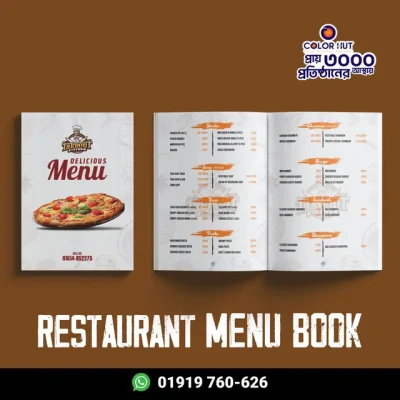
- Clear Layout: Organize categories (appetizers, mains, desserts, beverages) for easy navigation.
- Highlight Key Items: Place high-margin or signature dishes in prominent positions.
- Readable Fonts: Avoid overly decorative fonts. Size should be comfortable for all customers.
- Images: Use high-quality photos sparingly to enhance interest without cluttering.
- Color Psychology: Colors should align with your brand and create a comfortable reading experience.
Common Food Menu Design Mistakes
Overly Large Menus
Too many dishes confuse customers and increase inventory costs.
Menus Without Focus
Trying to offer everything can dilute brand identity. A menu should communicate your specialty clearly.
Poor Pricing
Incorrect pricing reduces profit margins or drives customers away. Pricing must reflect food quality, portion size, and market expectations.
Confusing Layouts
Messy menus reduce readability. Simple, structured designs improve customer experience.
Outdated Menus
Menus that ignore trends or never update may appear outdated. Introduce seasonal or limited-time items to stay relevant.
Food Menu Design and Menu Engineering
Menu engineering analyzes items by popularity and profitability:
- Star items: Popular & profitable — highlight prominently
- Plowhorse items: Popular but less profitable — adjust pricing/portion
- Puzzle items: Profitable but less popular — improve description or placement
- Dog items: Neither popular nor profitable — remove
This data-driven approach ensures your food menu design maximizes revenue and customer satisfaction.
The Rise of Digital Food Menu Design
Digital menus and QR code systems are revolutionizing food menu design. Benefits include:
- Reduced printing costs
- Quick updates for pricing, specials, or seasonal dishes
- Integration with online ordering and delivery platforms
Tip: Ensure your digital food menu design is mobile-friendly and easy to navigate.
Local and Geo-Friendly Menu Optimization
If you operate in a specific city or region, localize your food menu design for SEO and customer appeal. Examples:
- Highlight regional dishes: e.g., biryani in Dhaka, seafood in coastal cities
- Include local ingredients to reduce cost and appeal to local taste
- Mention your location in descriptions for local SEO: “Enjoy our signature Dhaka-style chicken curry”
Final Thoughts
A food menu design is more than a list of dishes. It drives customer choices, operational efficiency, marketing, brand identity, and profitability. By understanding your audience, focusing on profitable items, maintaining a clear concept, and updating regularly, your food menu design can become your restaurant’s most powerful business tool.
In the competitive food industry, a great food menu design combines storytelling, branding, and profitability, creating a memorable experience that keeps customers coming back.
FAQs About Food Menu Design
Q1: How often should I update my menu?
A: Every 6–12 months, or seasonally for seasonal menus.
Q2: Should I include pictures for every menu item?
A: No, use images only for signature or high-margin dishes.
Q3: What is the best menu type for a small cafe?
A: A small, focused a la carte menu with a few signature dishes works best.